Produkt Info
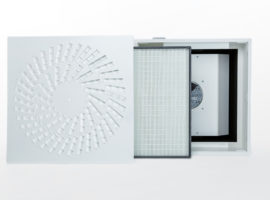
Umluftgerät für Bodenstellung bzw. Decken- od. Wandmontage: Airboy, Filter-Fan-Units, Schwebstoffdeckenauslass
Beschreibung
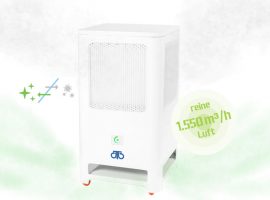
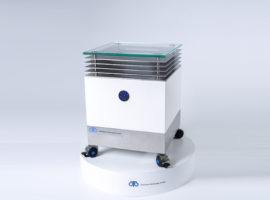
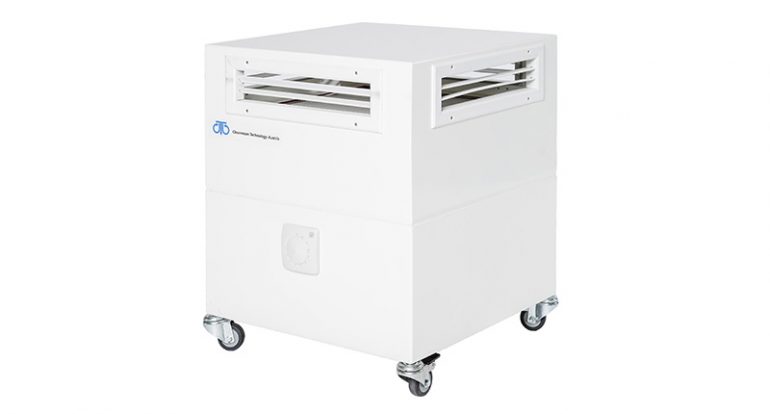
AIRBOY: DAS MOBILE UMLUFTGERÄT MIT HEPA-FILTER
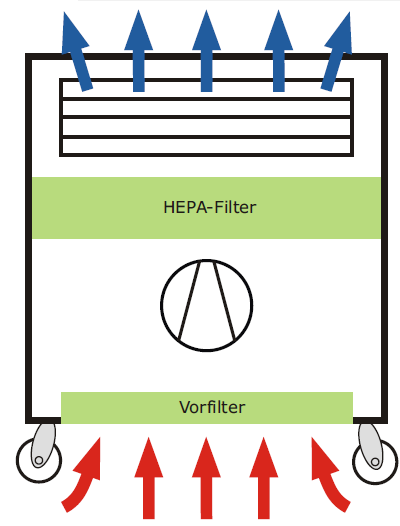
Über den integrierten Ventilator wird Luft von der Unterseite über einen Vorfilter nach oben durch den HEPA-Filter, danach seitlich über vier angeordnete Schlitzauslässe gedrückt. Der Airboy ist abgesehen vom Filtertausch wartungsfrei.
Wo wird der AIRBOY eingesetzt?
Bei Gefahr von Infektionsübertragungen, bzw. in Räumlichkeiten, in denen sterile Raumluft und/oder höhere Luftwechselzahlen gefordert werden:
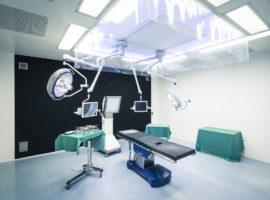
- für Spitäler, z.B. in Isolier-, Steril- und Intensivzimmer, OP-Vorräume, Labors oder zum Nachrüsten von Räumen ohne Lüftung
- in Warteräumen von Arztpraxen
- im Arbeits- und Wohnbereich von z.B. Pollen-Allergikern
- im Katastrophenschutz für Feldlazarette, Quarantänestationen und Zelte
- für Seminar- bzw. Konferenzräume und Garderoben
- in Kindergärten, Schulen und Sportstätten
- weiters für variable Einsätze in der Pharma-, Lebensmittel-, Mikrobiologie-, Mikroelektronik und Halbleiter-, sowie Luft- und Raumfahrtindustrie.
Highlights
- Vierseitig ausströmend mit variabler Ausblasrichtung und -weite ausgestattet um Zugerscheinungen auszuschließen.
- Kleines, handliches Gerät mit maximaler Mobilität durch 360°-lenkbare Rollen und flexiblem Anschlusskabel
- Stufenlose Regelung der Luftmenge
- Abscheideleistung 99,995% (Filterklasse HEPA H14 nach EN 1822-1)
- Durch die Erhöhung des Luftwechsels kann der AIRBOY Aufgaben der Reinlufttechnik unterstützen oder übernehmen.
Optional
- Folientastatur mit LCD-Display für
stufenlose Drehzahlregelung und
Betriebsstundenzählung - Aktivkohlezelle mit Vor- und Abriebfilter
- Differenzdruck Filterüberwachung
- DEHS-Anschlüsse
Haben Sie Fragen zu unserem AirBoy?

Beratung und Verkauf
Der AirBoy: ein Produkt aus der Kategorie Mischlüftung
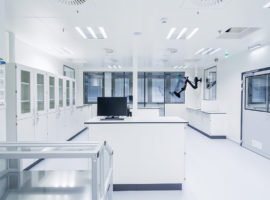
Unter einer Mischlüftung versteht man in der Reinraumtechnik, Systeme, die HEPA-gefilterte Luft in einen definierten Raum (meist turbulent) einblasen und somit eine Reinigung der Raumluft (umgangssprachlich – eine Luftverdünnung) erzielen. Je turbulenter die Einblasung erfolgt (z.B.: mit Drallauslässe), desto besser vermischt sich die reine Luft mit der unreinen Luft. Zusätzlich wird die verschmutzte Raumluft möglichst weit entfernt, von der Einblasstelle der reinen Luft, oder aber in der Nähe der Kontaminationsquelle, aus dem Raum abgesaugt. Die Luftwechselzahl ist das Verhältnis von zugeführter Luftmenge [m³/h] zu Raumvolumen [m³]. Sie gibt darüber Auskunft, wie oft (theoretisch) die Luft in dem Raum pro Stunde getauscht wird. Typische Luftwechselzahlen bewegen sich zwischen 5 bis 20.
Reinräume werden meist in Überdruck betrieben werden, indem etwas mehr reine Zuluft eingebracht wird, als Mischluft abgesaugt wird, um Kontaminationen aus Nebenräumen zu verhindern. Typische Mischluftsysteme für den Deckeneinbau können einerseits Schwebstoffdeckenauslässe aber auch Filter Fan Units mit Drallauslass, Prallplatten oder Lochbleche sein. Bei sehr hohen Räumen (auch bei kleineren Bereichen innerhalb großer Räume) werden auch gerne Schwebstoffwandauslässe, Quellluftauslässe oder Standumluftmodule zur Bodenaufstellung eingesetzt (Airboy). Diese haben den Vorteil, dass sie die reine Luft dorthin ausblasen wo sie auch benötigt wird, z.B.: auf Arbeitshöhe, und somit oft mit geringerer Luftmenge auskommen als Deckensysteme. Mit solchen Systemen ist eine Reinraumklasse bis ISO 6 oder Klasse C nach GMP möglich.